The Coverage Confusion Missouri Residents Face
You're either renting a place in Kansas City or you own your home. That single difference determines which type of property insurance you need, yet we regularly talk with Missouri residents who aren't sure which policy they have or what it actually covers.
The confusion makes sense. Both homeowners insurance and renters insurance protect your belongings and provide liability coverage. The names sound similar, and both policies cover some of the same risks. But the differences between them directly affect your financial protection when something goes wrong.
Let's clear up the confusion and help you understand exactly what each policy does, what Missouri-specific factors you should consider, and how to make sure you're properly covered.
What Homeowners Insurance Covers That Renters Insurance Doesn't
The biggest difference is right in the name: homeowners insurance covers the home structure itself. Renters insurance doesn't, because you don't own the building.
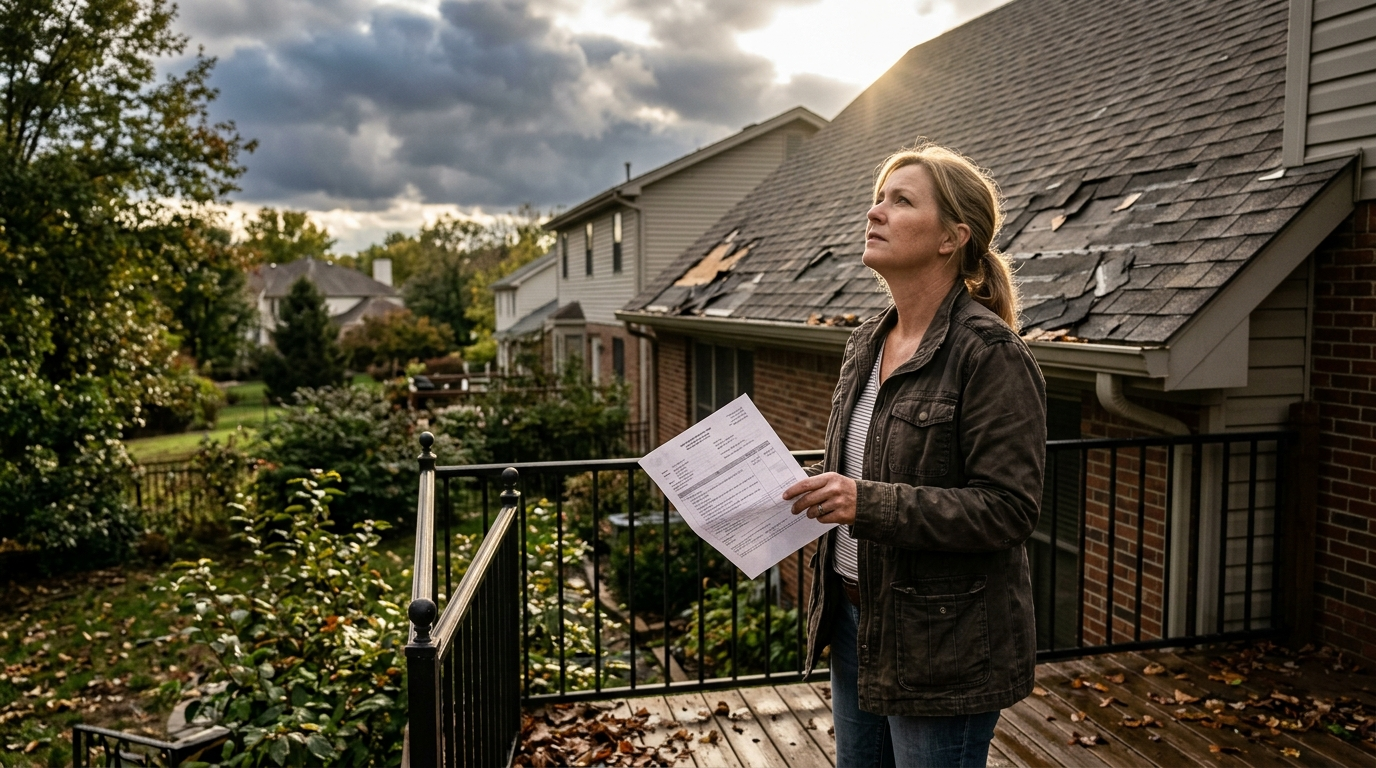
Dwelling coverage: This is the foundation of a homeowners policy. It pays to repair or rebuild your house if it's damaged by a covered peril like fire, windstorm, hail, or vandalism. If a tornado rips through your Kansas City neighborhood and destroys your house, dwelling coverage pays to rebuild it.
Other structures: Your detached garage, shed, fence, or deck—homeowners insurance covers these structures too, typically up to 10% of your dwelling coverage amount.
Loss of use: If your home becomes uninhabitable due to covered damage, homeowners insurance pays for temporary housing, meals, and other living expenses while repairs happen. This coverage can run into thousands of dollars during extended displacement.
Renters insurance provides none of these coverages because you don't own the structure. Your landlord's insurance covers the building. You're only responsible for protecting your own belongings and liability exposure.
Where the Two Policies Overlap
Both homeowners and renters insurance provide two critical coverages that work exactly the same way:
Personal property coverage: Both policies protect your belongings—furniture, electronics, clothing, kitchenware, and just about everything else you own. If there's a fire, your TV gets stolen, or a pipe bursts and ruins your furniture, your policy pays to replace those items up to your coverage limits.
Personal liability protection: Whether you own or rent, you can be sued if someone gets hurt at your residence or if you accidentally damage someone else's property. Both policy types include liability coverage that pays for legal defense and any judgment against you, typically with limits starting at $100,000.
The coverage amounts differ, though. Most homeowners carry $300,000 or more in personal property coverage because they own more stuff. Renters typically carry $20,000 to $50,000 since they're just covering furnishings and personal items, not appliances and fixtures.
Why Renters Often Skip Coverage They Actually Need
Here's a frustrating reality: roughly 63% of renters nationwide don't carry renters insurance. Many assume their landlord's policy covers them. It doesn't.
Your landlord's insurance covers the building structure and the landlord's liability. If the apartment above you has a plumbing failure that destroys your furniture, your landlord's policy won't replace your belongings. If someone trips over your shoes in your apartment and sues, your landlord's policy won't defend you.
Some renters think they don't own enough to justify insurance. But add up the replacement cost of your furniture, electronics, clothes, kitchen items, and other belongings. Most people own $20,000 to $30,000 worth of stuff, even if they don't realize it.
Here's the thing: renters insurance typically costs $15 to $30 monthly in Missouri. That's less than most streaming service subscriptions. For that price, you're protecting potentially tens of thousands of dollars in belongings plus covering your liability exposure.
Missouri Weather Patterns and Your Coverage Needs
Missouri's location in Tornado Alley creates specific risks both homeowners and renters should consider. The state averages around 45 tornadoes annually, with significant activity in the Kansas City metro area.
Both homeowners and renters insurance typically cover tornado damage to your personal property. But here's what many Missouri residents don't know: standard policies cover wind damage but often exclude flood damage separately.
If a tornado damages your property, your policy responds. If that same storm causes river flooding that damages your belongings, your standard policy probably won't cover it. You'd need separate flood insurance, which both homeowners and renters can purchase through the National Flood Insurance Program.
Missouri also experiences severe thunderstorms with damaging hail, ice storms that cause power outages, and occasional earthquakes from the New Madrid Seismic Zone. Your homeowners policy typically covers hail and ice damage. Earthquake coverage usually requires a separate endorsement or policy.
Understanding these regional risks helps you build proper coverage. At Prime Insurance Agency, we make sure Missouri residents know which perils their policies cover and where gaps might exist.
The Cost Difference Between Homeowners and Renters Insurance
Homeowners insurance costs significantly more than renters insurance because it covers much more.
Missouri homeowners pay an average of $1,400 to $2,000 annually for coverage, though costs vary widely based on your home's value, location, age, and construction type. A $250,000 home in Kansas City might cost $1,200 annually to insure, while a $400,000 home in a high-risk area could cost $2,500 or more.
Renters insurance runs $180 to $360 annually for typical coverage—that's $15 to $30 monthly. The cost is minimal because the policy only covers your belongings and liability, not the building structure.
Both policy types offer discounts you should take advantage of. Bundling renters insurance with your auto policy typically saves 15-25% on both policies. Homeowners get similar bundling discounts plus additional savings for security systems, storm shutters, and claims-free history.
What Happens When Renters Become Homeowners
This transition creates an important coverage gap if you're not careful. The day you close on your new home, your renters insurance becomes inadequate. You now own a structure worth hundreds of thousands of dollars that isn't covered by your renters policy.
Most mortgage lenders require proof of homeowners insurance before closing. They're protecting their investment—if your house burns down, they want to ensure it gets rebuilt so their collateral remains intact.
You should arrange homeowners insurance before your closing date, with coverage effective the day you take ownership. Don't wait until after closing to think about it.
Your renters policy should then be cancelled to avoid paying for coverage you no longer need. Some carriers will provide a prorated refund for the unused portion of your policy term.
Coverage Limits That Actually Match Your Needs
Both homeowners and renters commonly make the same mistake: underinsuring their personal property.
For homeowners, your dwelling coverage should equal the cost to rebuild your home—not its market value. Market value includes land, which doesn't need insurance. Rebuilding costs depend on square footage, construction quality, and current material and labor prices. In Kansas City's current market, rebuilding costs often exceed market value for older homes.
Your personal property coverage typically defaults to 50-70% of your dwelling amount, but that's not always enough. If you own expensive electronics, jewelry, art, or collectibles, you need to either increase your base coverage or add scheduled personal property endorsements for specific high-value items.
Renters should actually inventory their belongings to determine proper coverage limits. Walk through your apartment with your phone and photograph everything. You'll probably discover you own more than you thought.
Both homeowners and renters should consider replacement cost coverage rather than actual cash value. Actual cash value deducts depreciation—your five-year-old couch might have an actual cash value of $200 even though replacing it costs $1,200. Replacement cost coverage pays the full replacement amount without depreciation deductions.
Liability Coverage Both Groups Overlook
Personal liability coverage protects you when you're legally responsible for someone's injury or property damage. This matters whether you own or rent.
A guest trips on your stairs and tears their ACL, generating $40,000 in medical bills and lost wages. Your dog bites a neighbor. Your kid accidentally damages a neighbor's expensive camera. Your cooking fire spreads to adjacent units.
All of these scenarios trigger liability coverage. Standard policies include $100,000 in coverage, but that's often insufficient for serious claims. Medical bills and lost wages add up quickly, and juries can award pain and suffering damages on top of economic losses.
We typically recommend $300,000 to $500,000 in liability coverage for both homeowners and renters. The cost increase is modest—often $50 to $100 annually—but the protection difference is substantial.
For maximum protection, consider an umbrella policy that provides an additional $1 million to $5 million in liability coverage above your home and auto policies. Umbrella coverage is surprisingly affordable, often $200 to $400 annually for $1 million in protection.
Getting the Right Policy for Your Situation
Whether you need homeowners or renters insurance isn't really a choice—it's determined by whether you own or rent your residence. But you do have choices about coverage amounts, deductibles, and which company provides your policy.
That's where working with an independent agency makes a difference. We represent multiple carriers, which means we can compare options and find coverage that fits your specific situation and budget. One carrier might offer better rates for renters, while another provides superior homeowners coverage for older homes.
If you're currently renting in the Kansas City area and don't have renters insurance, you're one apartment fire or liability claim away from serious financial consequences. If you own your home and haven't reviewed your coverage limits recently, you might have significant gaps.
A quick policy review takes about 15 minutes and can identify problems before you file a claim and discover you're underinsured. Call Prime Insurance Agency or request a quote online to make sure your coverage actually matches your needs. See what our clients say about working with us on Google.
We'll explain your options in plain language and help you build proper protection without paying for coverage you don't need.
Frequently Asked Questions
Does my landlord's insurance cover my belongings if there's a fire or theft?
No, your landlord's insurance only covers the building structure and the landlord's property. Your personal belongings, furniture, electronics, and clothing require your own renters insurance policy. Without renters insurance, you'll have to replace everything out of pocket after a loss.
How much renters insurance do Missouri residents typically need?
Most Missouri renters carry $20,000 to $40,000 in personal property coverage with $100,000 to $300,000 in liability protection. The exact amount depends on how much stuff you own and your liability risk tolerance. Take inventory of your belongings to determine the right coverage amount for your situation.
Can I switch from renters insurance to homeowners insurance with the same company?
Yes, most insurance companies offer both renters and homeowners policies, making the transition smooth when you buy a home. Your agent can cancel your renters policy and issue a homeowners policy effective on your closing date. You might receive a refund for the unused portion of your renters policy term.
What's not covered by either homeowners or renters insurance in Missouri?
Standard policies exclude flood damage, earthquake damage, and maintenance-related issues. Floods require separate flood insurance through the National Flood Insurance Program. Earthquakes typically need an added endorsement. Neither policy covers normal wear and tear, pest damage, or problems from deferred maintenance.
Do I need renters insurance if I'm only staying somewhere temporarily?
If you're renting for any period—even month-to-month—you should carry renters insurance. Your belongings and liability exposure exist regardless of lease length. Some short-term or vacation rental situations might be covered under your primary residence policy, but traditional renters need their own coverage.